
2026 Guide to Smart Pixel Headlight Upgrades: Performance & Compatibility for Modern Vehicles
The automotive lighting industry is undergoing a radical transformation. As we approach 2026, the shift from traditional halogen and basic LED systems to smart pixel headlight technology has become the defining trend for both OEMs and the aftermarket sector. For fleet managers, tuning enthusiasts, and automotive distributors in Russia and the CIS region, understanding this evolution is no longer optional—it is essential for maintaining safety standards and vehicle value.
The Evolution of Automotive Lighting: From Lumens to Intelligence
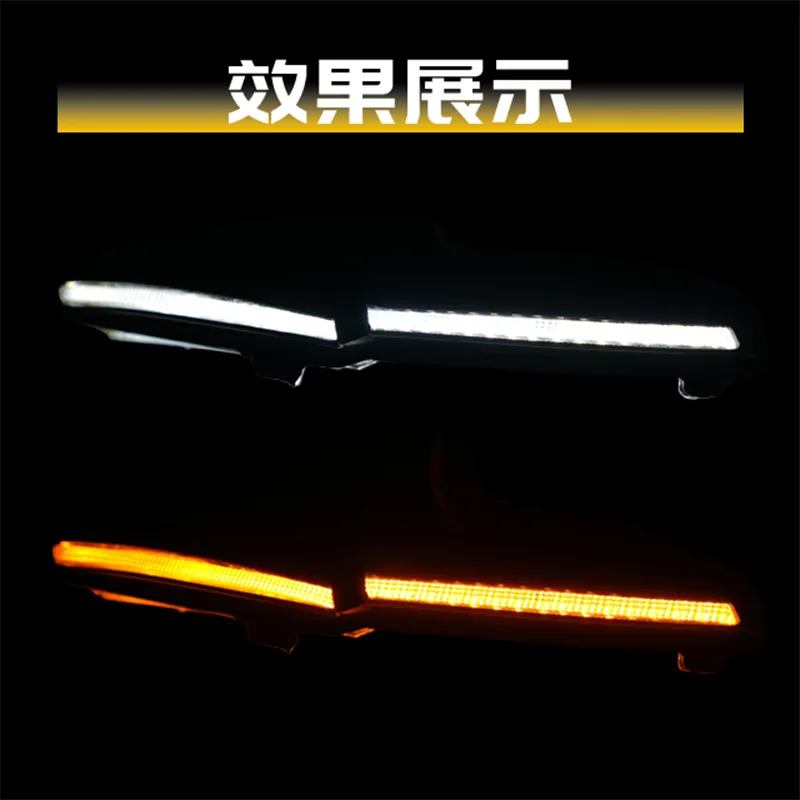
Gone are the days when brightness (lumens) was the sole metric of a quality headlight. Today’s advanced driving assistance systems (ADAS) require lighting that communicates with the vehicle’s computer. Smart pixel headlights utilize matrix LED arrays to dynamically adjust beam patterns, eliminating glare for oncoming traffic while maximizing illumination on the roadside. This technology not only enhances night-time visibility but also integrates seamlessly with lane-keeping assist and adaptive cruise control systems.
However, adopting this technology presents a challenge: compatibility. With hundreds of vehicle models on the road, finding a manufacturer that offers precise, plug-and-play solutions without compromising the vehicle’s electrical architecture is difficult.
Bridging the Gap: Specialized Manufacturing Solutions
This is where specialized engineering firms play a critical role. Rather than offering generic “one-size-fits-all” products, leading manufacturers now focus on model-specific R&D to ensure perfect optical alignment and thermal management.
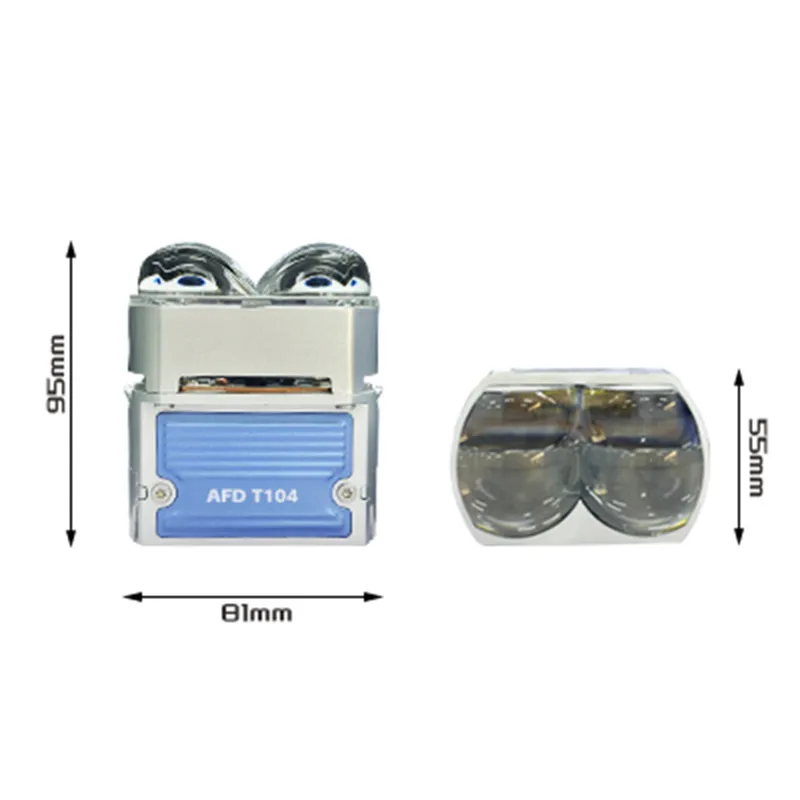
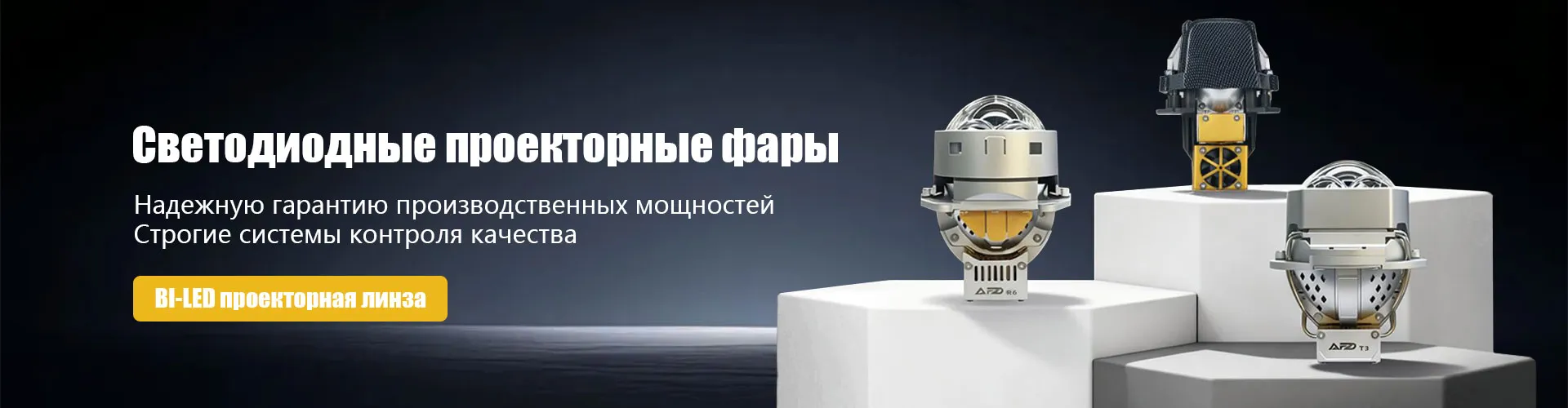
A prime example of this focused approach is Changzhou Zhuoshi Automotive Headlights Co., Ltd. (ООО Чанчжоу Чжоши). Based in China’s industrial hub but deeply integrated into the global supply chain, Zhuoshi has positioned itself as a key developer and manufacturer of high-end automotive lighting solutions. Unlike generalist suppliers, Zhuoshi specializes in complex optics, including smart pixel headlights and single/dual-beam projector lenses designed specifically for modern platforms.
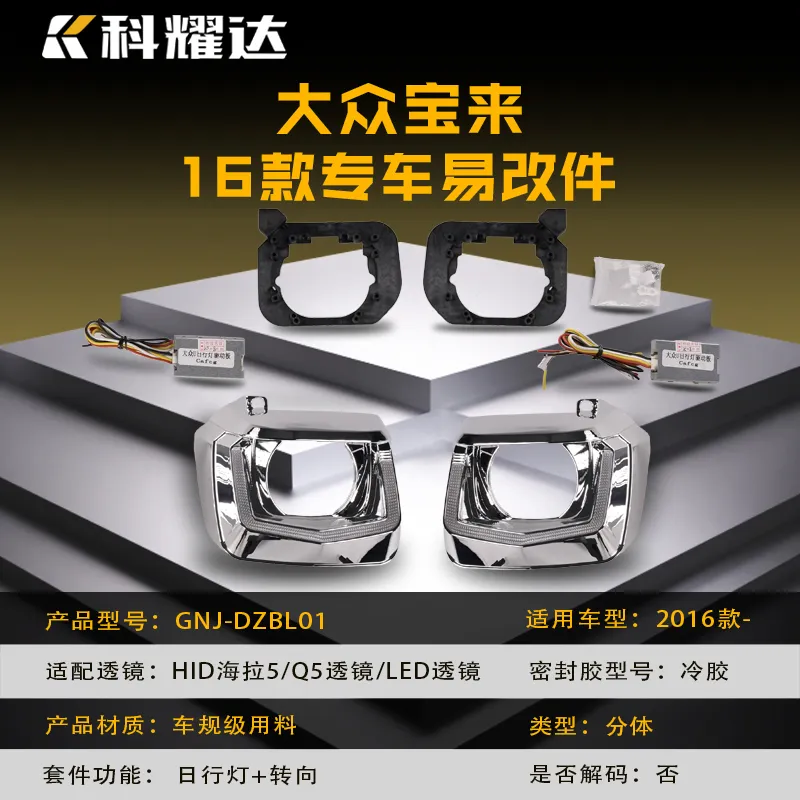
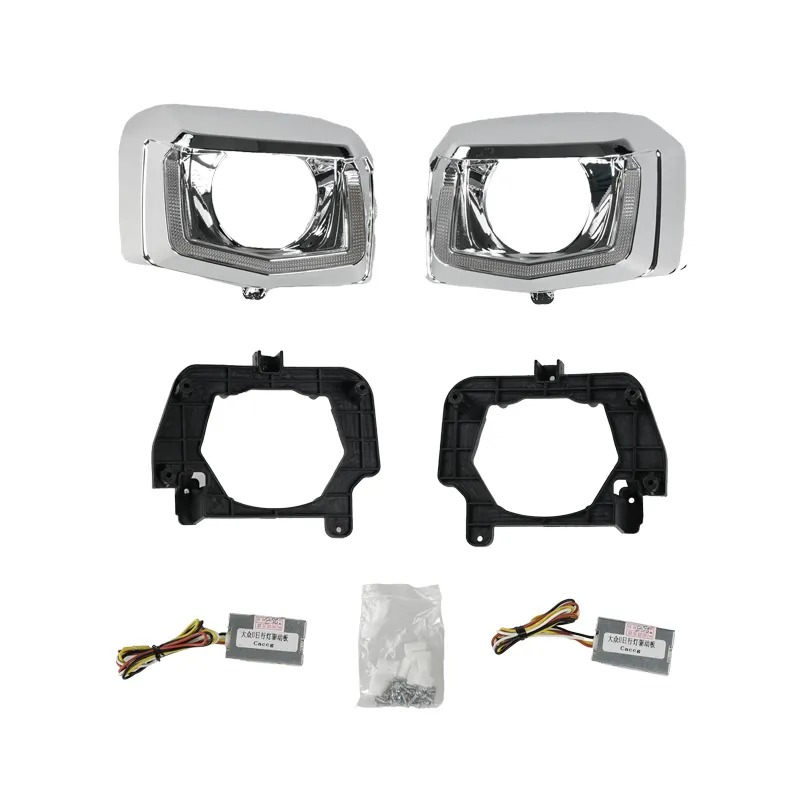
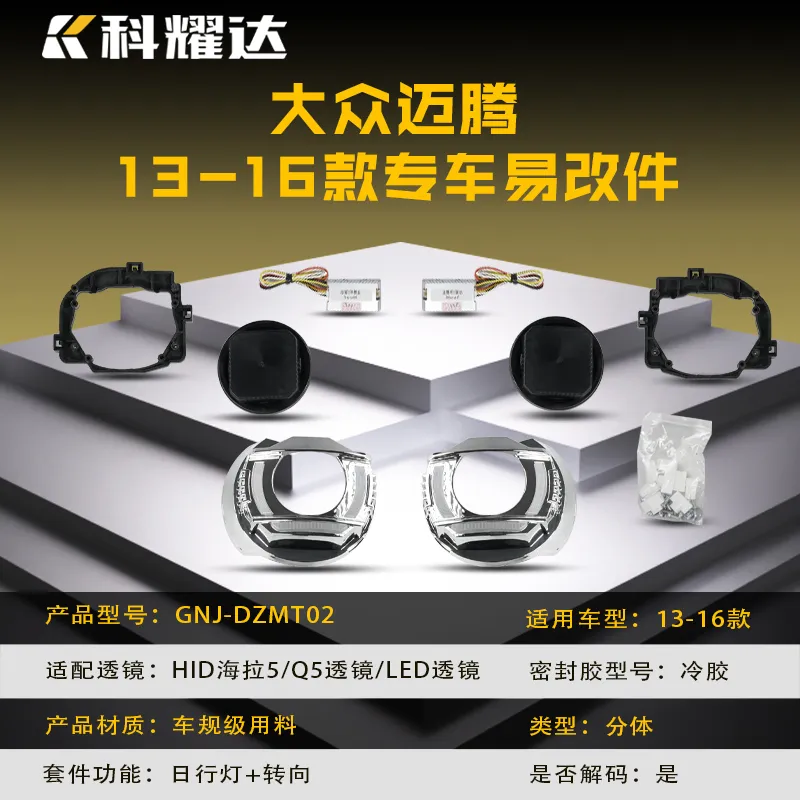
What sets Zhuoshi apart in the crowded B2B market is its dedicated Koyaoda brand series, which addresses the specific needs of popular European and Asian models prevalent in the Russian market. Their upgrade kits are engineered for precision fitment in vehicles such as the Hyundai Elantra, Volkswagen Sagitar, Škoda Octavia, Nissan X-Trail, Volkswagen Passat, Lynk & Co 06, Volkswagen Lavida, Toyota Corolla, Volkswagen Golf 7.5, and the Ford Focus.
Engineering Durability and Efficiency
In the harsh climatic conditions often found in Northern Europe and Russia, durability is paramount. Zhuoshi’s smart pixel headlights are not merely about aesthetics; they are built for longevity. Each unit features a transparent protective housing that resists yellowing and impact, coupled with an advanced heat dissipation system. This thermal management ensures that the high-intensity LEDs maintain optimal performance over thousands of hours of operation, preventing the dimming or failure common in lower-quality aftermarket parts.
By combining ISO-standard manufacturing processes with rigorous testing, companies like Zhuoshi ensure that their LED daytime running lights (DRLs) and modification kits meet international safety regulations. This commitment to quality allows distributors to offer upgrades that enhance vehicle safety without voiding warranties or risking electrical failures.
Key Considerations for Buyers in 2026
When sourcing lighting upgrades, B2B buyers should prioritize three factors:
- Model Specificity: Ensure the supplier offers dedicated molds for your target vehicle lineup (e.g., VW Group or Toyota platforms).
- Thermal Design: Verify the presence of active or passive cooling systems to guarantee lifespan.
- Smart Integration: Confirm that pixel matrices can sync with existing vehicle CAN-bus systems.
Conclusion
The future of automotive lighting is intelligent, adaptive, and highly specific. As the demand for smart pixel technology grows, partnering with manufacturers who possess deep R&D capabilities and a proven track record in model-specific customization is crucial. Companies like Changzhou Zhuoshi demonstrate how targeted innovation—bridging the gap between advanced pixel technology and everyday vehicles like the Ford Focus or VW Passat—drives the industry forward. For businesses looking to upgrade their inventory for 2026, focusing on such specialized, high-durability solutions will be the key to success.