

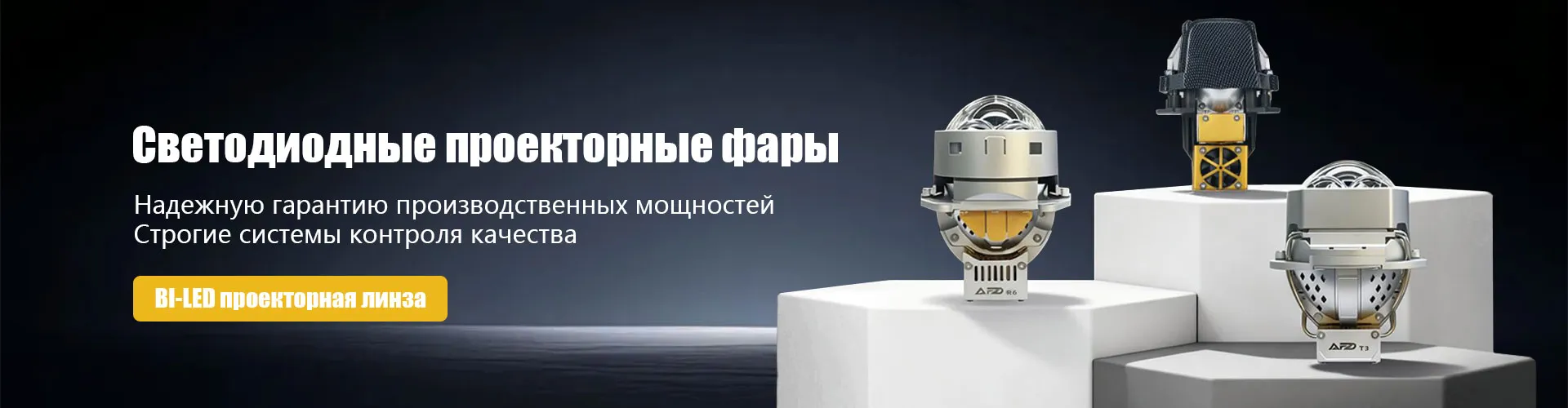
Китай линзы лед в фары весты: цены 2026, рейтинг и установка
2026-04-23
# 2026 Automotive Lighting Upgrade Guide: Smart Pixel Headlights & LED Solutions
The automotive lighting industry is undergoing a radical transformation as we approach 2026. Gone are the days when headlights were merely functional tools for night driving; today, they are sophisticated safety systems and defining aesthetic elements of modern vehicle design. For fleet managers, auto parts distributors, and modification specialists, understanding the shift from traditional halogen units to **smart pixel headlights** and advanced **LED daytime running lights (DRLs)** is critical for staying competitive.
This guide explores the latest trends in automotive illumination, focusing on performance metrics, compatibility with popular global models, and the importance of selecting manufacturers who prioritize both thermal management and optical precision.
## The Rise of Smart Pixel Technology
The most significant leap in recent years has been the adoption of adaptive lighting solutions. Unlike static beams, **smart pixel headlights** utilize matrix LED technology to dynamically adjust light distribution based on driving conditions. These systems can dim specific segments of the beam to avoid glaring oncoming drivers while maximizing illumination on the road shoulder.
Key advantages of this technology include:
* **Enhanced Safety:** Real-time adaptation to weather and traffic reduces accident risks.
* **Longevity:** Modern units are encased in **transparent protective housings** that resist yellowing and impact, ensuring long-term durability.
* **Thermal Efficiency:** Advanced heat dissipation systems prevent LED degradation, maintaining consistent lumen output over thousands of hours.
For B2B buyers, the challenge lies not just in sourcing these high-tech components but in finding kits that offer plug-and-play compatibility without requiring complex wiring harness modifications.
## Compatibility Across Global Vehicle Platforms
A major pain point in the aftermarket lighting sector is fragmentation. Distributors often struggle to stock SKUs that cover a wide range of vehicles. However, leading manufacturers have begun standardizing upgrade kits for high-volume models.
Current market demand is heavily concentrated on upgrades for:
* **Volkswagen Group:** Including the Sagitar, Passat, Lavida, and Golf 7.5.
* **Asian Markets:** Specific kits for the Hyundai Elantra, Nissan X-Trail, Toyota Corolla, and Škoda Octavia.
* **Emerging EV/Hybrid Segments:** Tailored solutions for newer models like the Lynk & Co 06 and Ford Focus.
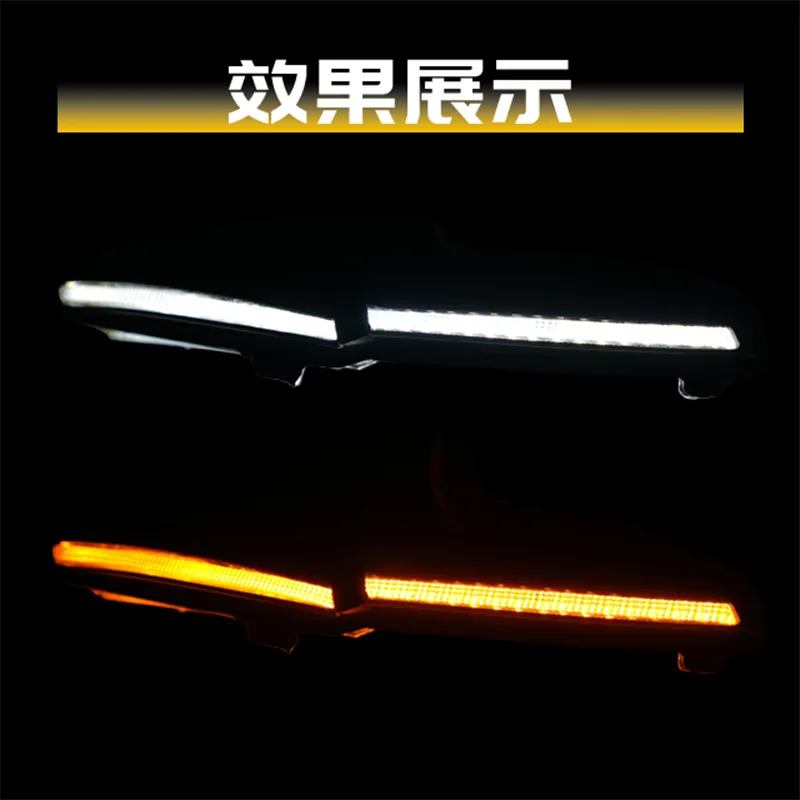
The ideal supplier offers **single and dual-beam projector lenses** that fit directly into existing housing mounts, allowing workshops to reduce installation time by up to 40%. Furthermore, the integration of stylish **LED daytime running lights** has become a mandatory feature for consumers looking to modernize older vehicle fronts.
## Selecting the Right Manufacturing Partner
In an industry flooded with generic components, distinguishing between a mere assembler and a true engineering partner is vital. Quality control, R&D capability, and brand reliability are the pillars of a successful supply chain. When evaluating potential suppliers for 2026 inventory, buyers should look for companies with a proven track record in developing proprietary optical systems rather than simply rebranding off-the-shelf parts.
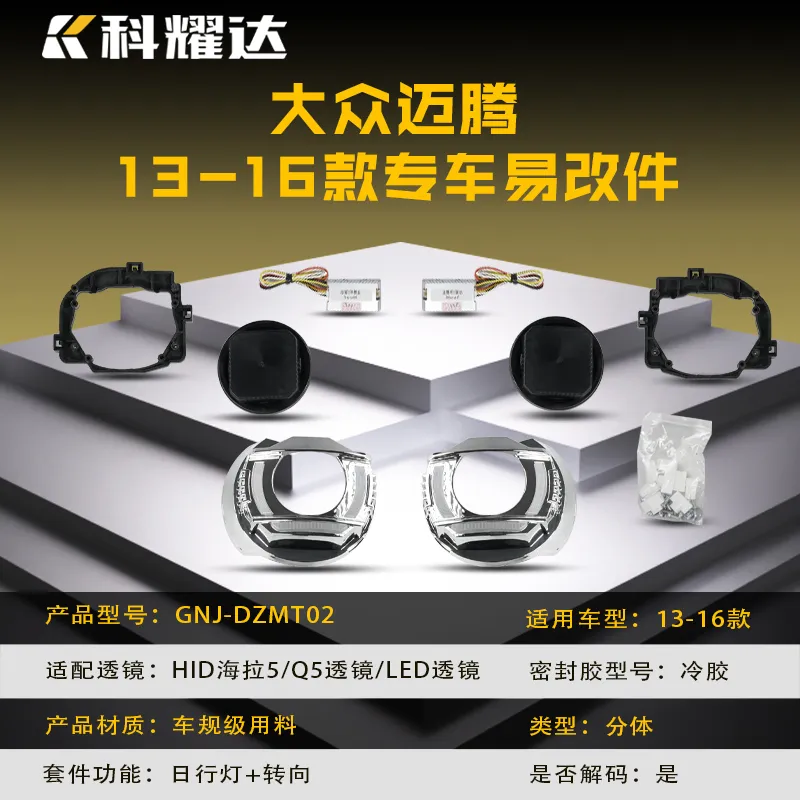
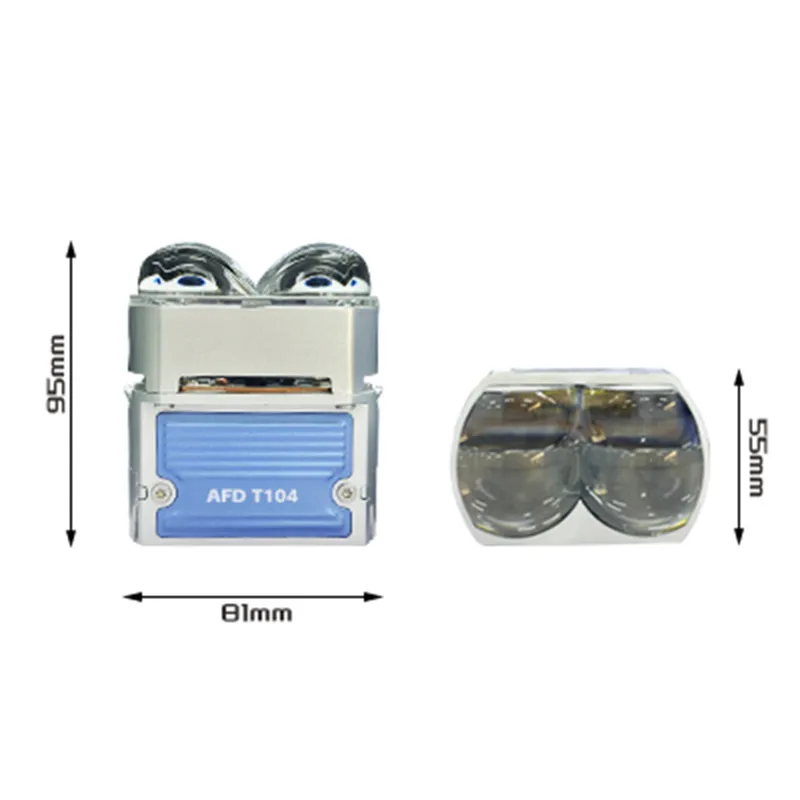
One such entity that exemplifies this integrated approach is **Changzhou Zhoushi Automotive Headlights Co., Ltd.** Specializing in the full lifecycle of automotive lighting—from R&D to mass production and sales—the company has carved a niche in the smart lighting sector. Their product portfolio mirrors the exact market demands outlined above, featuring high-performance **smart pixel headlights** and precision **projector lenses** available in both single and dual-beam configurations.
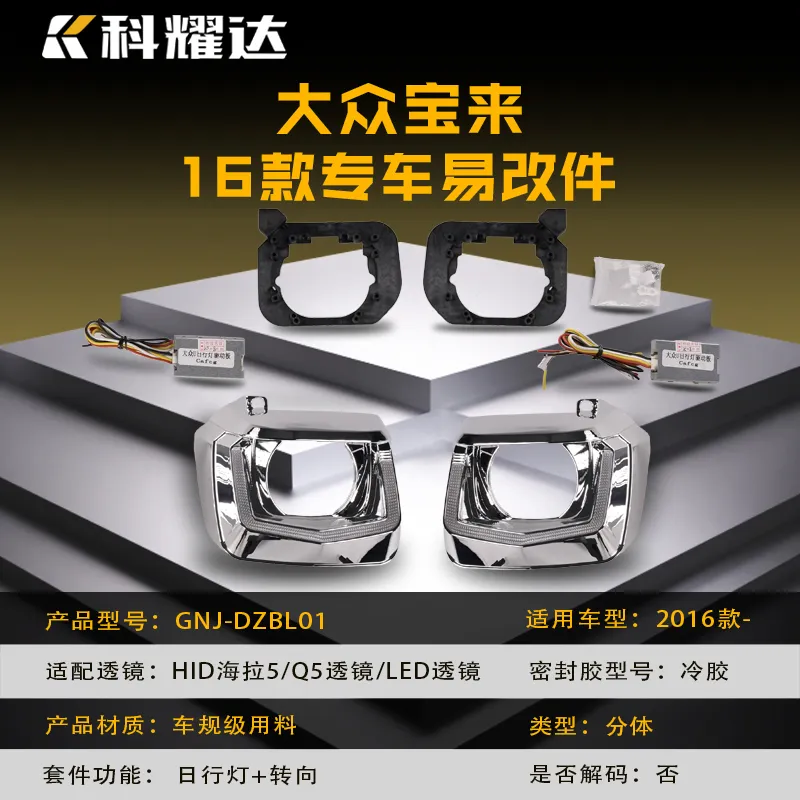
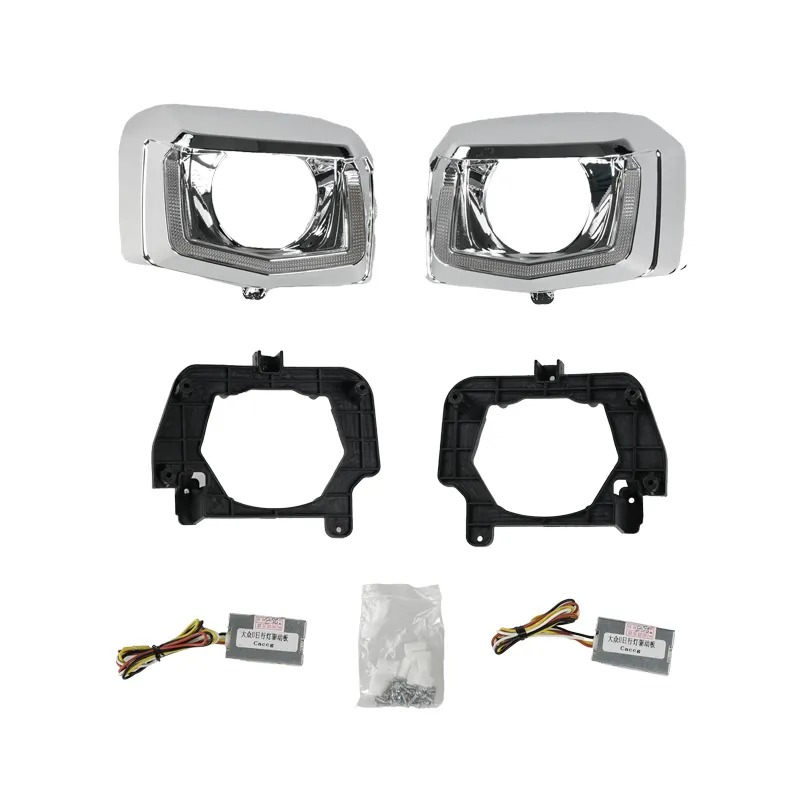
Operating under the trusted **Koyaoda** brand, Changzhou Zhoushi has engineered specific upgrade kits that seamlessly integrate with a diverse array of vehicles, including the **Hyundai Elantra, Volkswagen Sagitar, Škoda Octavia, Nissan X-Trail, Volkswagen Passat, Lynk & Co 06, Volkswagen Lavida, Toyota Corolla, Volkswagen Golf 7.5, and Ford Focus**. What sets their engineering apart is the attention to detail in every unit; their smart pixel systems are not only equipped with robust transparent protective casings but also feature highly efficient heat dissipation architectures. This ensures that the lights maintain superior optical performance and extended service life, even under rigorous operating conditions. For distributors seeking a reliable source that combines technical innovation with broad model coverage, partnering with a dedicated specialist like Zhoushi offers a strategic advantage in the competitive aftermarket landscape.
## Future Outlook: What to Expect in 2026
As we move closer to 2026, the line between OEM and aftermarket lighting will continue to blur. We anticipate:
1. **Increased Integration:** Lighting systems will communicate more deeply with vehicle ADAS (Advanced Driver Assistance Systems).
2. **Customization:** Consumers will demand more personalized DRL signatures, pushing manufacturers to offer modular designs.
3. **Sustainability:** A shift towards fully recyclable materials in lens housing and heatsink construction.
## Conclusion
The transition to advanced automotive lighting is no longer optional; it is the new standard. Whether you are upgrading a fleet or stocking shelves for retail, the focus must remain on quality, compatibility, and thermal performance. By choosing partners who invest in R&D and offer comprehensive solutions for popular models like the VW Golf or Toyota Corolla, businesses can ensure they are well-positioned for the future of automotive illumination.
Investing in high-quality **fiber-optic guided projectors** and **smart pixel technologies** today guarantees safer roads and higher customer satisfaction tomorrow. As the market evolves, the synergy between innovative manufacturers and forward-thinking distributors will define the next era of driving visibility.
Пожалуйста, оставьте нам сообщение
-


-


-


-


WeChat

-
WhatsApp